For one wearer, the appeal of the wig’s shade is offset by a cap that feels uncomfortable after a few hours of wear. A realistic hairline is welcome, but another customer finds spending twenty minutes on lace each morning impractical. A third customer orders an appealing unit and discovers that its density feels heavier than anticipated.
There is more practical insight in these comments than a wig business might initially see. The opportunity is to turn these insights into new designs that people are happy to put on.
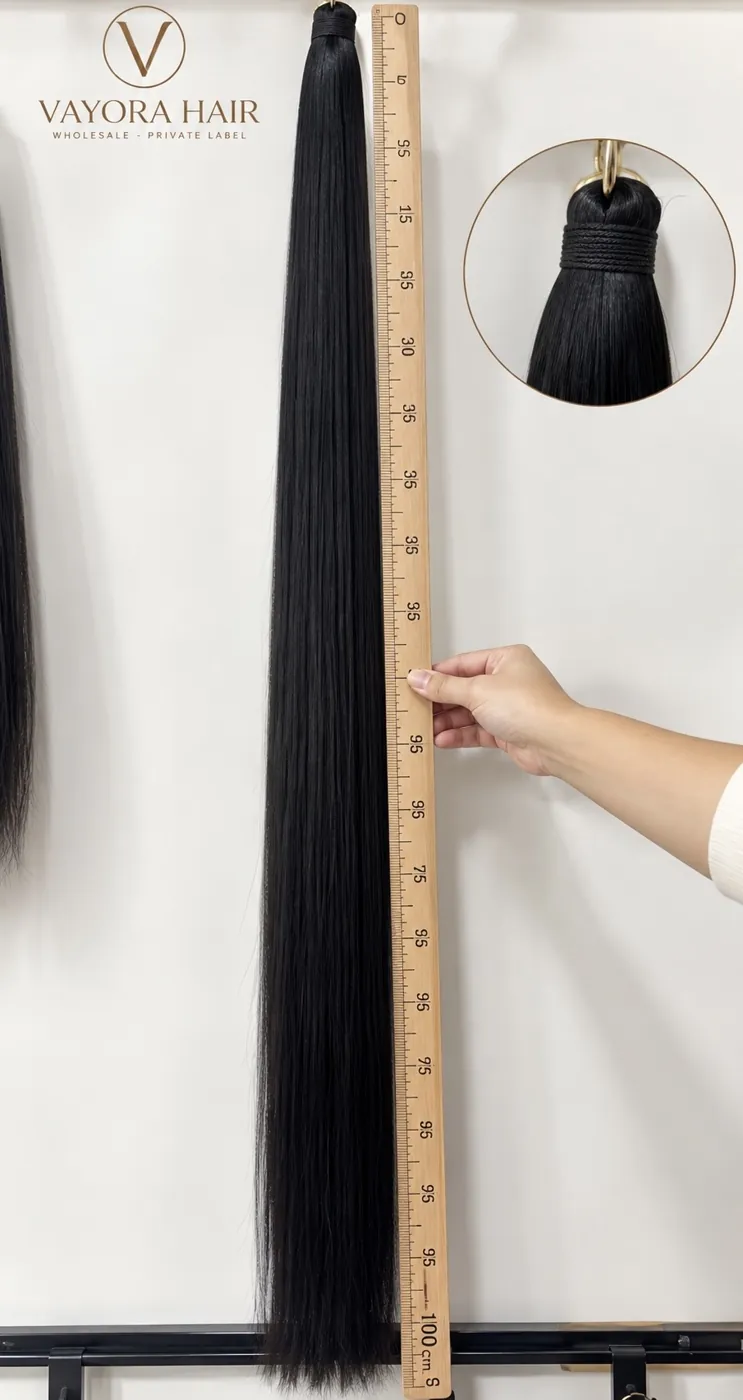
Image credit: vayorahair.com
A strong wig lineup does not have to center on the latest viral hairstyle. They’re built around understanding what customers want to experience when they put a wig on.
What Buyers’ Concerns Tell a Brand
Buyers seldom use factory-specific terms to explain what they need. They talk about comfort, convenience, appearance, and confidence. When a buyer asks for less preparation in the morning, a glueless approach may be worth exploring. Feedback about a hairline that does not look natural can direct attention to lace appearance, knot treatment, density, or parting design.
A human hair wig manufacturer China brands work with should be able to translate these everyday concerns into measurable product specifications.
The basic request for a 22-inch body-wave wig need not define the entire order. Buyers can also specify the intended wearing experience, cap fit, lace construction, hairline appearance, and finished weight. That level of detail gives the development team a clearer target.
How to Differentiate Your Private Label Wig Range
Rather than defining their own range, many emerging brands organize their catalogs around the products currently in demand. Competing stores may end up offering very similar collections.
To build a more recognizable identity across its products, a brand can collaborate with a private label wig manufacturer China retailers work with. The identity might be expressed through a lightweight everyday collection, a premium natural-hairline line, or wigs designed for immediate wear intended for customers who prefer minimal preparation. The central promise to the buyer should guide texture, length, color, density, cap construction, and packaging. Rather than relying solely on temporary price incentives, a recognizable collection offers shoppers another motivation to shop again.
What Matters in Glueless Wig Construction
The term “glueless” sounds simple, but the wearing experience depends on several construction details. Cap sizing, adjustment features, attachment components, lace preparation, and hairline design all influence how comfortably and securely a wig fits.
A glueless wig manufacturer China buyers choose should help clarify these requirements before production begins. For example, a brand targeting first-time wig wearers may prioritize manageable density, pre-cut lace, and straightforward adjustment features. Different ways to customize the unit might be necessary in a collection aimed at professional stylists. There is no automatic advantage for either approach. Each serves a different customer.
How Sampling Supports a Brand’s Reputation
There are aspects of a wig that cannot be assessed from a photograph by itself. Buyers need to examine how the cap fits, how the hair moves, whether the color matches expectations, and whether the finished construction reflects the approved design. Reviewing samples allows buyers to identify differences before committing to a larger order.
For a wholesale human hair wigs supplier, documented specifications and quality-control procedures are especially important when the same style must be produced repeatedly. Without clear references, a successful first batch may be difficult to reproduce consistently.
Build a Collection That Can Grow
VAYORA supports B2B wig brands, retailers, and distributors through product development, private label services, sampling, specification control, and repeat-production workflows. Physical details that affect the look, fit, and feel of a wig are connected to customer expectations through this approach.
Prior to expanding a product range, brands should study customer feedback, recognize their strongest product opportunities, and set clear approval standards. A successful next collection might not depend on increasing the number of styles. The greater opportunity may lie in reducing trade-offs in existing desirable styles.