A productive garden rarely begins with expensive equipment or a beautifully maintained property. Most often, it is an individual who has planted a few seeds and pay attention to the results. This will allow them to make better decisions for the next season.
The Sproutstead is a resource for those who want learn to grow their own food and improve the soil they use, preserve what harvests, and build a sustainable self-sufficiency system without obscuring themselves in technical terminology.
You garden has its own set rules
Some gardening advice can be confusing because gardens don’t have the same characteristics. A tomato plant in a sunny raised bed in one place could be very different from the same variety that is grown in heavy soils elsewhere that have a shorter growing season.
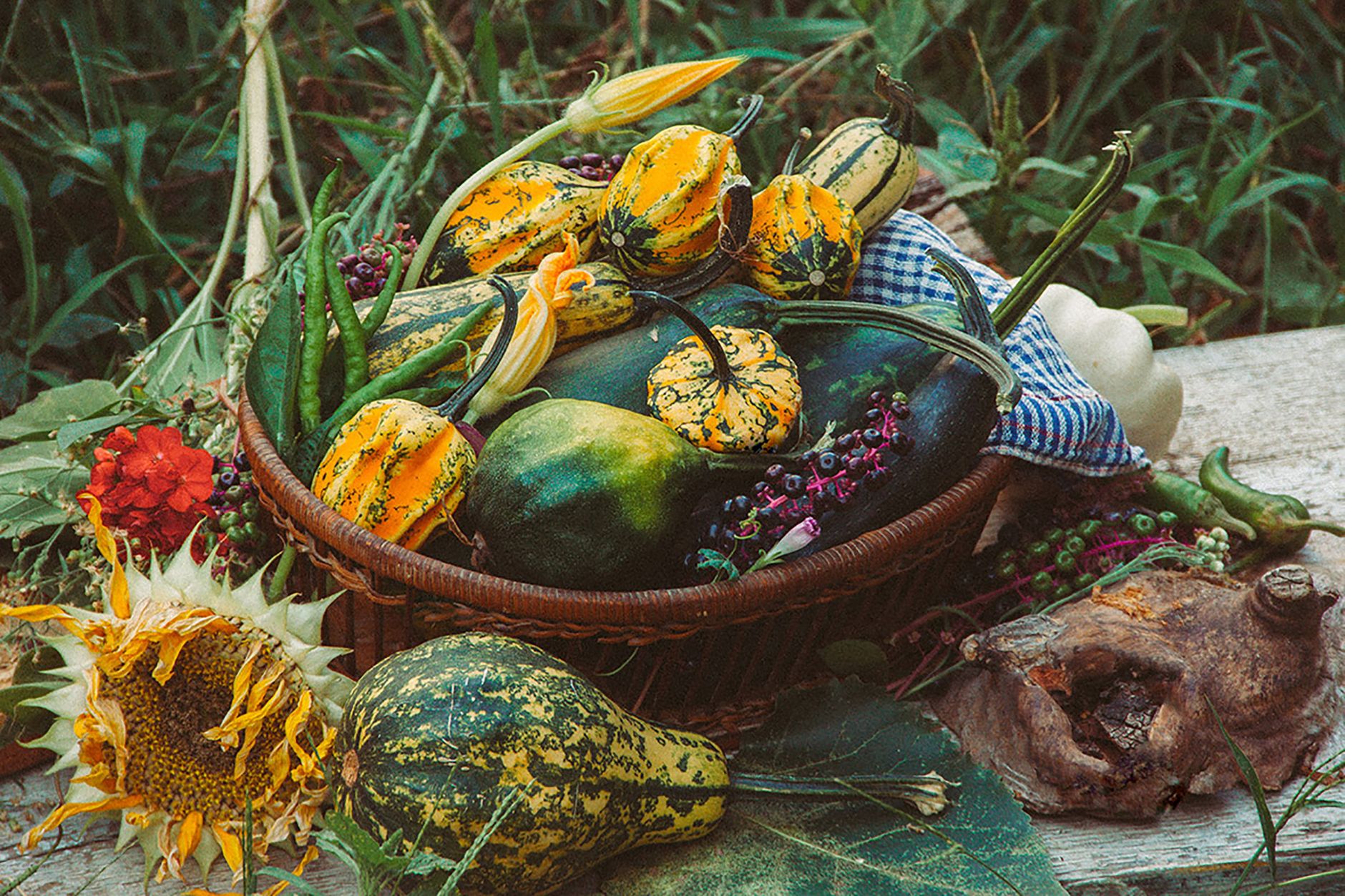
To be successful at gardening or homesteading, you have be more than just follow a few steps. Gardeners can benefit from knowing their particular conditions: sunlight soil structure, soil structure, rain, temperature, growing season, available space, and the amount of time they’ll be able to devote to maintenance.
The Sproutstead provides the details so that readers are able to make changes to gardening advice for a normal home instead of trying to replicate an ideal setting.
Below the surface, vegetable gardening begins
People naturally pay attention to plants that they see, but a lot of the garden’s success is determined underground.
A healthy soil balance is crucial to ensure drainage, water retention and nutrients. Compost is a great way to improve soil with time and mulching can help preserve water and reduce weeds. Paying attention to these fundamentals can make vegetable gardening easier because healthier growing conditions give plants a stronger foundation from the beginning.
Also, planning is important. Plant spacing, crop timing as well as companion planting and seasonal succession will determine the effectiveness of gardening in the limited space.
Tomatillos are a great example of Paying Attention
If you ask ten people about tomatoes they’ll likely tell a variety of stories. They are among the most popular plants in the backyard and also show how different growing conditions can be a good fit.
When researching tomato growing, it is important to consider the broader context of planting and fertilizer scheduling. To grow tomatoes, they require enough sunlight, consistent watering suitable soil, appropriate spacing, and support as they grow. It is crucial to select the most suitable tomato because the growing conditions along with the space available and the purpose of use will all impact the type of tomato that is best suited for your needs.
If a plant is producing many leaves however, it produces few fruits, then adding more fertilizer to the soil may not suffice. A high level of nitrogen, temperature, insufficient sunlight, or pollination conditions could be the cause. Observing the entire plant is more efficient than treating every symptoms.
Harvesting is only part of the story
If half of the vegetables spoilt before you eat them, then it’s failure. A well-planned home garden system will consider what happens after harvest.
Canning freezing, dehydrating, freezing sharing leftover produce, and even saving seeds can assist families in getting the most out of their garden. Backyard chickens, plants fruits trees, and composting may eventually become components of the same system.
No one needs to adopt all of the homesteading methods at once. Progress is made when you learn to grow lettuce or improving the compost pile or even preserve the first tomato plant you made at home.
Gardening can be made easier with the right knowledge
Even the best gardening guidance can’t guarantee perfect plants. Weather changes, pests appear, seeds occasionally fail, and suggestions vary based on the region.
The Sproutstead views these issues more as a part of learning, not an isolated event. Through connecting subjects such as soil, vegetables, seed beginning, pests, preservation backyard chickens and self-sufficiency, readers gradually know not only what to do with their garden, but why it is effective.
A garden that is more productive for the home is built in exactly the same way that plants grow in a gradual manner, season by season, from a strong base.